Load management system
What is a load management system?
A load management system optimises and controls energy consumption in a targeted manner. It is particularly relevant for companies with high electricity demand, as load peaks can lead to significant costs. The aim of load management is to avoid peak loads, reduce grid charges and flexibly adapt energy consumption to supply and demand in the electricity market. The term “load” refers to the energy demand at a specific point in time. An effective load management system helps smooth out the so-called load curve, reducing costs, emissions and supply risks.
When is a load management system required?
Load management systems become especially important when:
- High demand peaks occur, for example when several energy-intensive machines are switched on simultaneously
- Companies want to benefit from dynamic electricity tariffs or dynamic grid charges
- Renewable energies are to be integrated into the energy mix
- Regulatory requirements or decarbonisation targets must be met
- Production processes allow for some temporal flexibility
Particularly in industries with fluctuating energy demand, load management offers significant potential for savings – both financially and environmentally.
How does a load management system work?
A load management system is based on smart analysis and control of electricity consumption – a data-driven, often AI-supported evaluation of consumption patterns, grid signals and forecasts. Digital systems are typically used to record, predict and automatically regulate energy flows in real time.
It relies on three core strategies:
- Load shifting: Energy-intensive processes are deliberately scheduled during periods of low electricity prices or high renewable energy availability.
- Load limiting: The simultaneous use of power-intensive equipment is avoided to cap load peaks.
- Load shedding: In non-critical areas, energy use can be temporarily reduced or paused – for instance, by briefly switching off cooling systems or ventilation units.
Smart energy management systems such as flexOn enable both manual interventions and automated responses to electricity price signals or grid utilisation – a crucial step towards greater flexibility and resilience.
Why are load management systems so important?
The importance of load management systems is steadily increasing in the course of the energy transition. With the growing share of volatile renewable energy sources such as wind and solar power, the need for flexibility in electricity consumption is rising. Making electricity consumption more flexible through load management helps stabilise the grid, prevent overloads and use renewable energy more efficiently.
Moreover, companies can significantly reduce their energy costs through smart load management without restricting production. It means that those who adapt their processes flexibly benefit from lower grid charges, attractive market mechanisms and a smaller carbon footprint.
What makes a good load management system?
An effective load management system is data-driven, automated and seamlessly integrated into existing operations. It takes into account:
- Real-time data on energy consumption
- Forecasts of generation, consumption and the development of electricity prices
- The specific requirements of production processes
- The potential for flexibility in assets and equipment
Load management becomes particularly powerful when it is not viewed solely as a cost-saving tool but as part of a comprehensive energy optimisation strategy, for example, in combination with BESS, on-site generation or flexible tariffs.
Companies that invest in digital load management solutions gain long-term advantages in competitiveness, sustainability and supply security – all without disrupting ongoing operations.

).png)
Energy management software: why monitoring will no longer be sufficient in 2026
Modern energy management software must not only make energy flows visible, but actively control them. The article outlines which features are essential today, how automated control enables savings from day one, and which solution is particularly well suited to mid-sized companies.
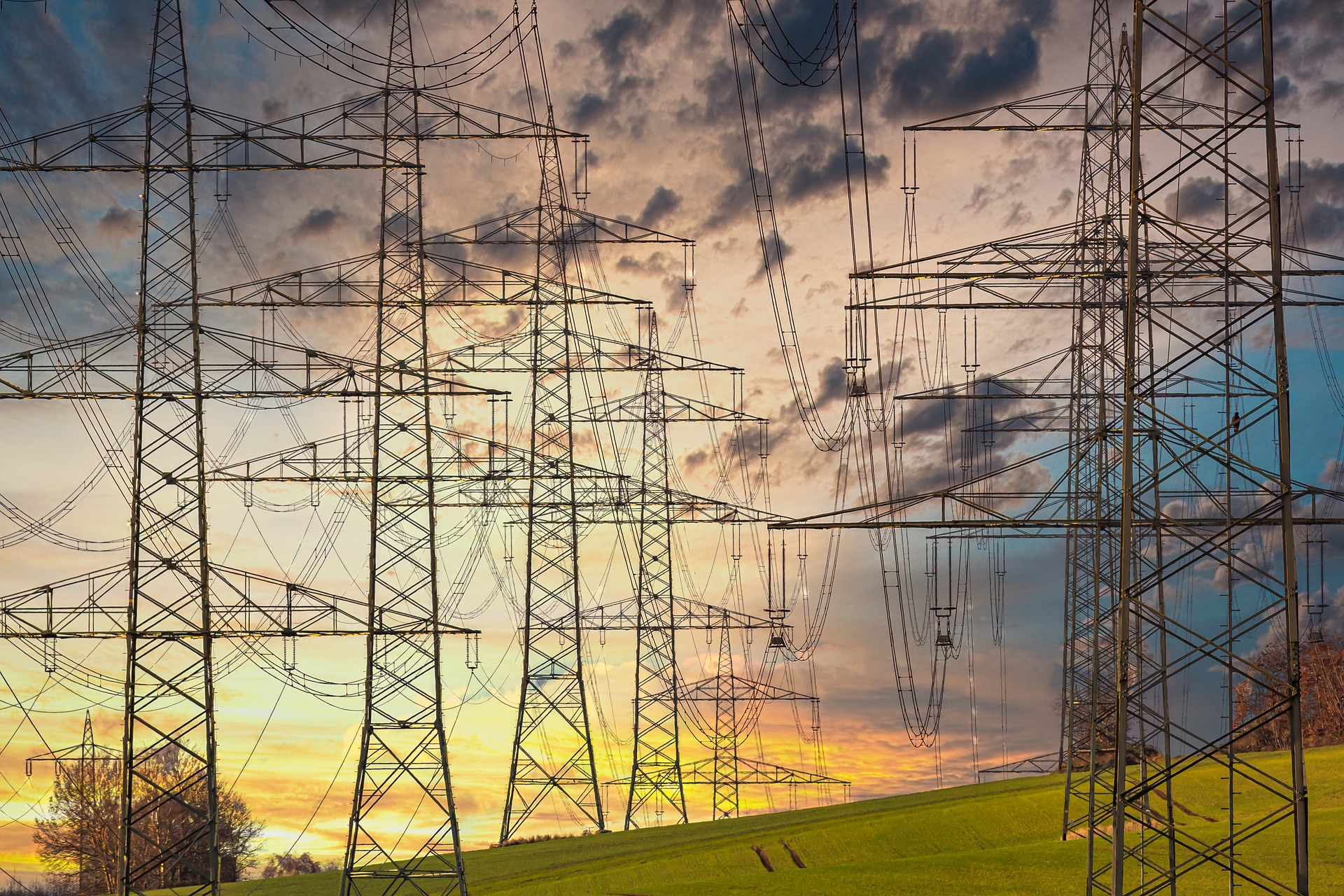
Effects of the technical error on the spot market
The day before last Wednesday, there were horrendous electricity prices on the electricity exchange due to a technical error. This was expensive for some industrial companies — our customers were protected by intelligent energy management.
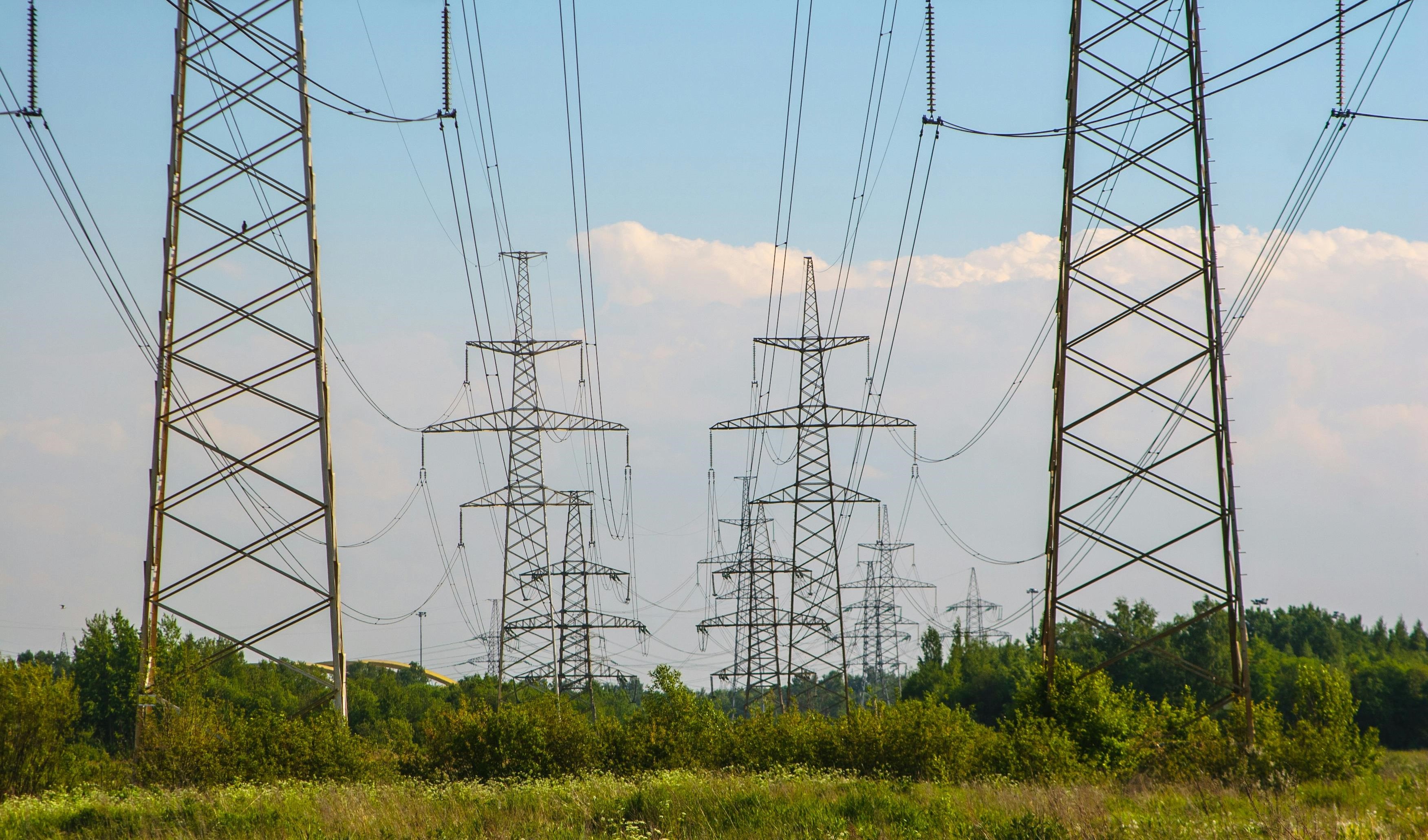
Power grid in Oranienburg overloaded: A proposed solution
Last week, various media reported on the electricity shortage in Oranienburg, the causes and the reaction of energy suppliers. Since such cases could occur more frequently in the future, we will look at possible solutions in the following article.