Energy management software: why monitoring will no longer be sufficient in 2026
Modern energy management software must not only make energy flows visible, but actively control them. The article outlines which features are essential today, how automated control enables savings from day one, and which solution is particularly well suited to mid-sized companies.
.png)
Energy management software refers to a digital system for recording, analysing and optimising energy flows within companies. However, while the classic definition often stops at pure monitoring, today’s market volatility and complex CO₂ reporting requirements demand energy strategies that actively control energy use.
In this article, we answer the most common questions about energy management software – from core functions and costs to which solution is best suited to mid-sized companies.
What functions does modern energy management software offer?
These are the six key functional areas that define a future-proof solution:
- Real-time monitoring & visualisation: Continuous recording of all energy flows (electricity, heat, cooling, gas, water) and clear presentation in intuitive dashboards.
- Data analysis: Site-, asset- and cost-centre-based analyses provide a solid foundation for management decisions and investments.
- AI-based load forecasting: Prediction of consumption and PV generation, taking weather data and production plans into account.
- Automated schedule optimisation & control: Calculation of intelligent schedules based on individual objectives such as spot market optimisation or atypical grid usage, as well as smart control of energy-intensive assets such as chillers, BESS or heat pumps.
- Automated reporting & compliance: Legally compliant reports for ISO 50001, EMAS and CSRD.
- Sustainability management: Tracking of the CO₂ footprint to support the achievement of your climate targets.
The decisive next step: automated control
While many systems stop at analysis and schedule optimisation and merely provide recommendations for action, solutions such as flexOn take the crucial step into execution.
Modern energy management software does not just visualise generation, consumption and asset behaviour – it automatically controls your consumers. To do this, the AI creates precise forecasts of up to 72 hours into the future and uses them to calculate highly optimised, intelligent schedules.
This means the software does not simply determine when electricity is cheapest or when a storage system should be discharged – it executes the switching commands fully automatically. As a result, you achieve maximum savings from day one, without any need for manual intervention by staff.
Costs of energy management software
The investment in energy management software varies depending on the complexity of the assets involved. The following factors should be considered:
- One-off implementation: This includes analysing your infrastructure, connecting metering points and setting up the software.
- Ongoing fees: SaaS models (Software as a Service) are usually billed monthly and cover hosting, updates and support.
- Funding: A decisive factor. Programmes such as BAFA Module 3 currently subsidise the introduction of EMS with up to 45% for small companies and 35% for medium-sized companies.
- ROI: Thanks to energy cost savings, smart systems often pay for themselves within just a few months.
Which energy management software is best suited to mid-sized companies?
Mid-sized companies typically require a solution that can be implemented quickly and refinances itself immediately through measurable savings. The ideal software for this segment should meet the following criteria:
- Vendor independence: An open system architecture enables the integration of existing meters and hardware from different manufacturers without costly new investments.
- Eligibility for funding: The software should meet the technical requirements for government subsidies (e.g. BAFA) in order to significantly reduce investment costs.
- Scalability: The system must be flexible enough to grow with the company – from a single site to a networked fleet of machines.
A comparison of the leading energy management systems in the DACH region has shown that flexOn performs best in this respect. The energy management software flexOn is vendor-independent, fully eligible for BAFA funding and converts your energy flows into measurable cost benefits immediately through automated control.
Why switching to modern energy management software is worthwhile in 2026
The days when energy management was limited to documentation are over. In a world of volatile energy markets and acute skills shortages, automated control is becoming a critical success factor. Companies that invest in modern energy management software today not only secure attractive government subsidies, but also sustainably reduce operating costs and conserve valuable human resources.
In addition, you position your business for the future: you actively benefit from the energy transition and can make optimal use of new developments such as industrial electricity pricing or dynamic grid charges. In this way, energy efficiency evolves from a regulatory obligation into a strategic opportunity.
Read on


5 criteria for the integration of economic commercial battery storage
Commercial battery storage systems offer massive potential for cost reduction and independence. However, the right control system — intelligent and with multi-use functionality — is crucial.

Industrial Electricity Price and AgNes: Why Flexibility is Now the New Gold
The energy transition is fundamentally transforming the German electricity market. The 2026 industrial electricity price and the AgNes grid fee reform, set to take effect in 2029, represent two key regulatory developments designed to ease the burden on energy-intensive companies while simultaneously steering them toward greater flexibility.

Optimising HGV charging infrastructure & reducing network charges
Uncontrolled charging of electric HGVs can cause electricity costs to skyrocket. We show you how to optimise your HGV charging infrastructure, avoid expensive grid connection cost contributions and benefit from favourable spot market prices.
Energy market 2026: what developments companies can expect
2026 will bring noticeable relief for companies in terms of electricity and gas costs, but many of these measures are temporary. Learn which energy policy changes are ahead, why price volatility will continue to increase and why companies need to make their energy supply more flexible in the long term.

Energy management system comparison – The best EnMS
This article shows which energy management systems genuinely move companies forward — from classic monitoring tools to intelligent auto-pilot solutions. We compare five leading EnMS providers and explain which functions are essential for transparency, efficiency and active optimisation. The conclusion: modern systems that automatically control energy flows deliver the greatest benefit.

Industrial electricity price: meaningful subsidy or misplaced incentive?
Hardly any other cost factor shapes German industry as strongly as the price of electricity. For years, companies have warned about internationally uncompetitive energy prices and the risk of losing competitiveness. With the planned industrial electricity price, the German government aims to provide relief from 2026 onwards. But is this subsidy really the right approach? A closer look shows that the concept remains controversial – and raises fundamental questions about the future of Germany’s energy policy.
Effects of the technical error on the spot market
The day before last Wednesday, there were horrendous electricity prices on the electricity exchange due to a technical error. This was expensive for some industrial companies — our customers were protected by intelligent energy management.

BAFA Module 3 subsidy: Everything you need to know
BAFA Module 3 offers companies an attractive opportunity to receive financial support for energy-efficient measures. In this article, we answer the most important questions about BAFA funding so that you can make the most of funding opportunities.
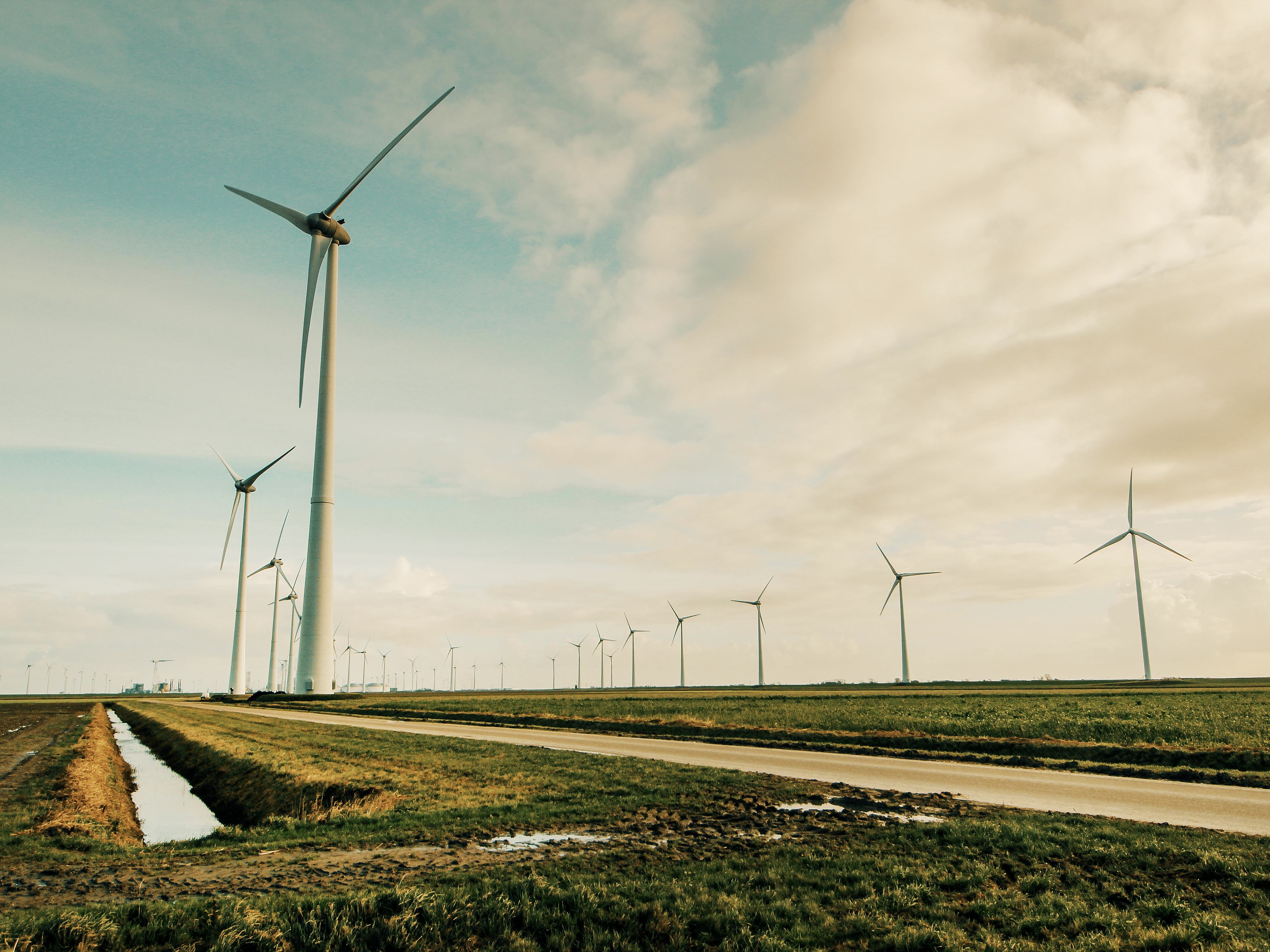
How the slowed expansion of renewables drives electricity prices up
If the expansion of renewable energies slows down, electricity prices in Germany could rise by up to 25% by 2045. A scenario analysis shows how this would weaken competitiveness and the country’s attractiveness as an industrial location.
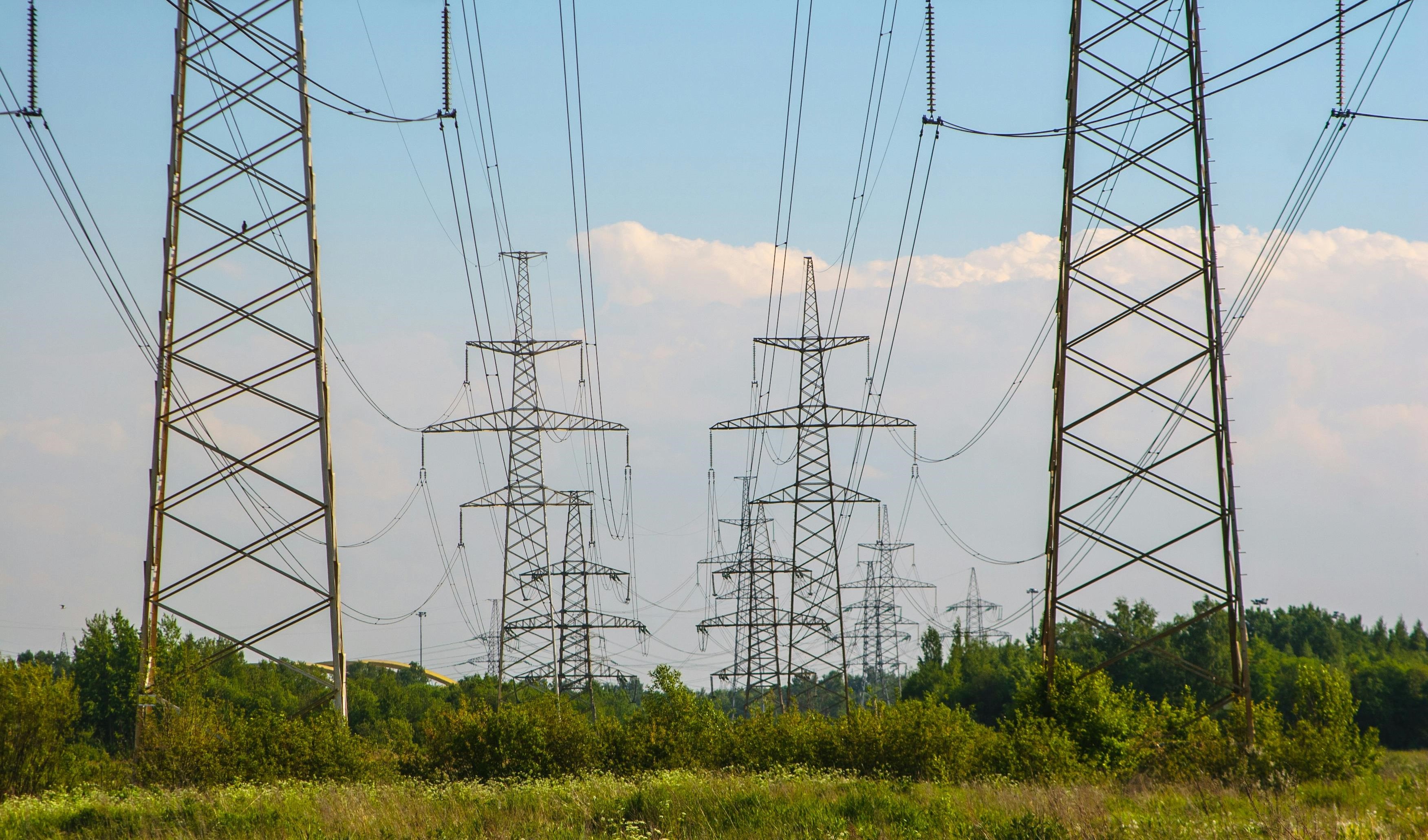
Power grid in Oranienburg overloaded: A proposed solution
Last week, various media reported on the electricity shortage in Oranienburg, the causes and the reaction of energy suppliers. Since such cases could occur more frequently in the future, we will look at possible solutions in the following article.

Optimising electricity costs: How companies reduce expenses
Rising energy prices and increasing market volatility are making electricity cost optimisation a key economic lever for many companies. Learn how flexible tariffs, dynamic grid fees, and targeted load management can help reduce energy costs sustainably.
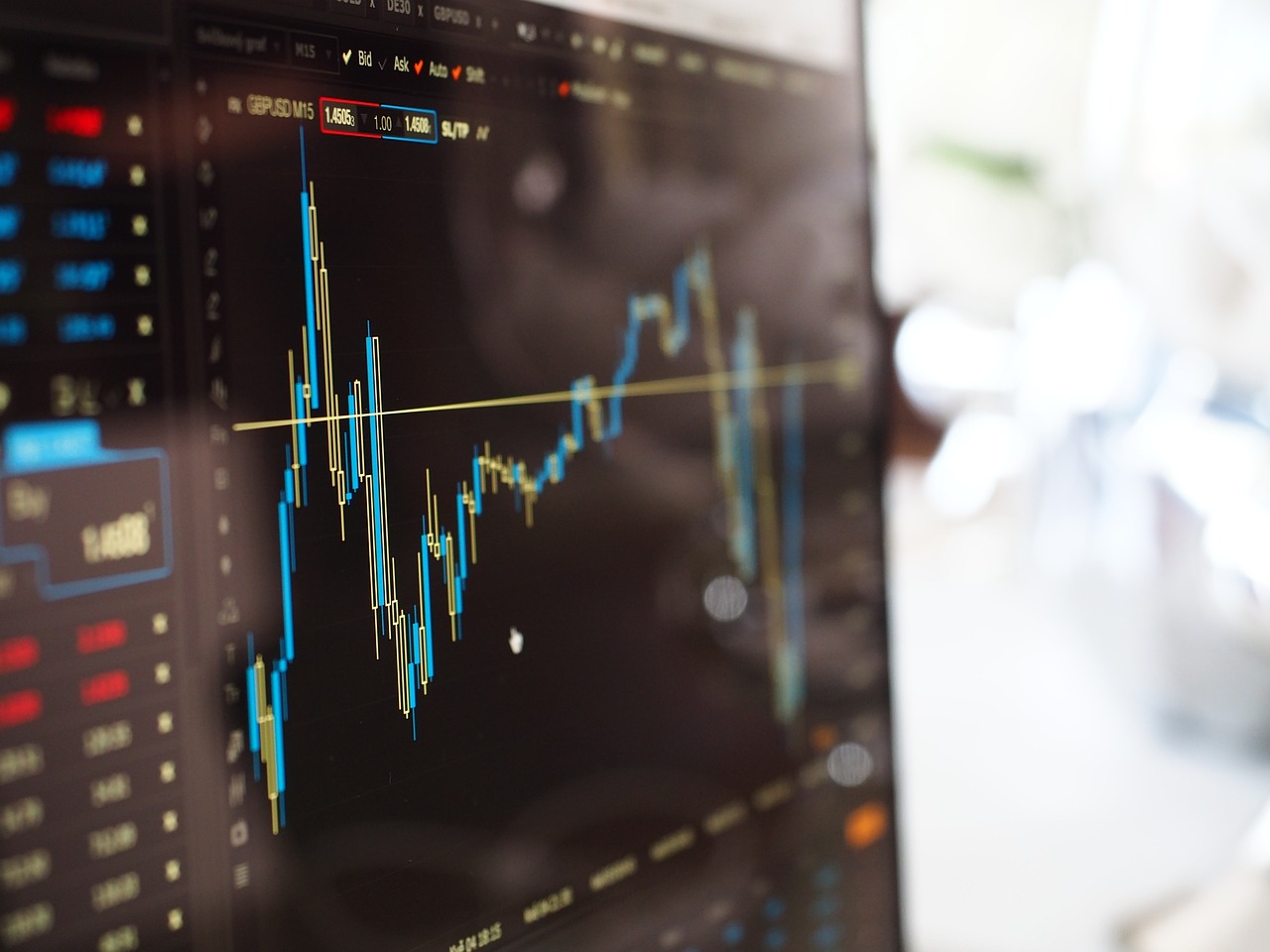
Why companies rely on energy management
There are many reasons why companies are looking for innovative energy management. Based on the experiences and feedback from our customers, we have summarised the three biggest challenges.
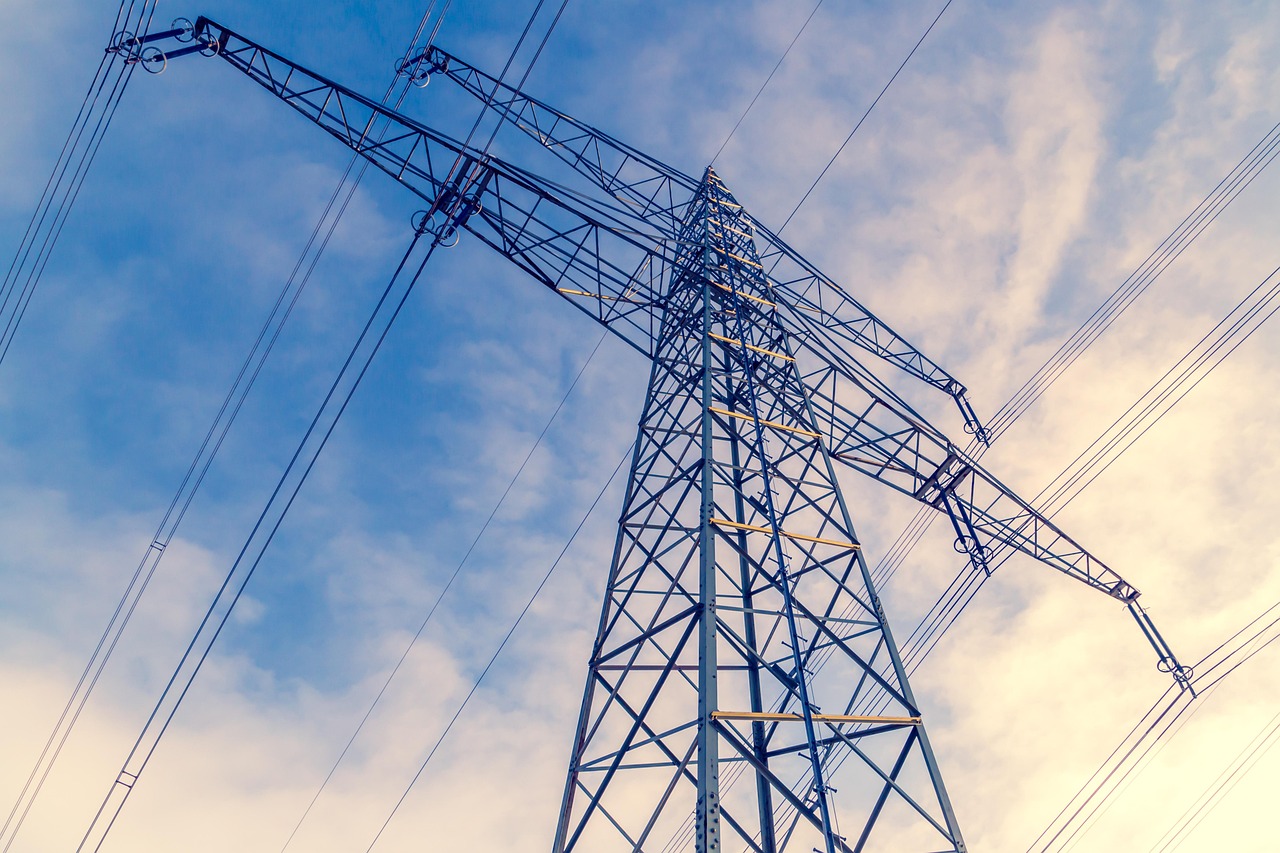
Record figure: 280 hours of negative electricity prices
Rising price fluctuations are a reality and will continue to increase. For industrial companies, they open up opportunities: those who react flexibly reduce costs and gain a competitive advantage.

Saving energy in companies made easy
Saving energy is becoming increasingly important for companies – not only for ecological reasons, but also for economic reasons. In this blog article, we will show you why it is worthwhile to reduce energy consumption, what measures you can take and how an energy management system can help.

How to recognize a good battery simulation?
More and more companies are planning to invest in battery storage systems. Whether to cut peak loads, optimize self-consumption or as part of a multi-use approach: Expectations are high. But storage is bought too often before it is clear what it can really do in a specific application. A well-founded battery simulation can prevent just that.
Storing electricity without batteries: Smart alternatives for companies
In a changing energy system, the ability to store and control energy is increasingly becoming a competitive advantage - especially for industrial companies. But this does not always require classic battery storage systems. Companies can store electricity without batteries - by intelligently utilizing existing systems and processes.
Coalition agreement 2025: What is in store for industry now
The 2025 coalition agreement brings new drive to energy policy. The new federal government (CDU, CSU, SPD) is committed to climate neutrality by 2045 — with specific goals for more renewable energy, digitalization and, above all, more flexibility in the energy system. For industrial companies, this means that energy optimization is becoming a strategic success factor.

The most important facts about energy efficiency for companies
The importance of energy efficiency for companies is constantly growing. Both environmental responsibility and cost savings have a decisive impact on their competitiveness. In this article, we take a closer look at the most important facts about energy efficiency and show how companies can improve it.

The new flexible grid charges for industrial customers
The German Federal Grid Agency is planning to adjust the regulations for individual grid charges for industrial customers. As a result of the energy transition, the framework conditions of the energy system are currently changing. The new regulations, which were set out in the recently published key point paper on Section 19 (2), should take this into account.

The development of electricity prices on the exchange until 2030
How will electricity prices on the exchange develop in the future? A recent study shows how renewable energy, rising gas and CO₂ prices and the nuclear phase-out are shaping the market. In this article, you can read about the challenges and opportunities this presents to industry.
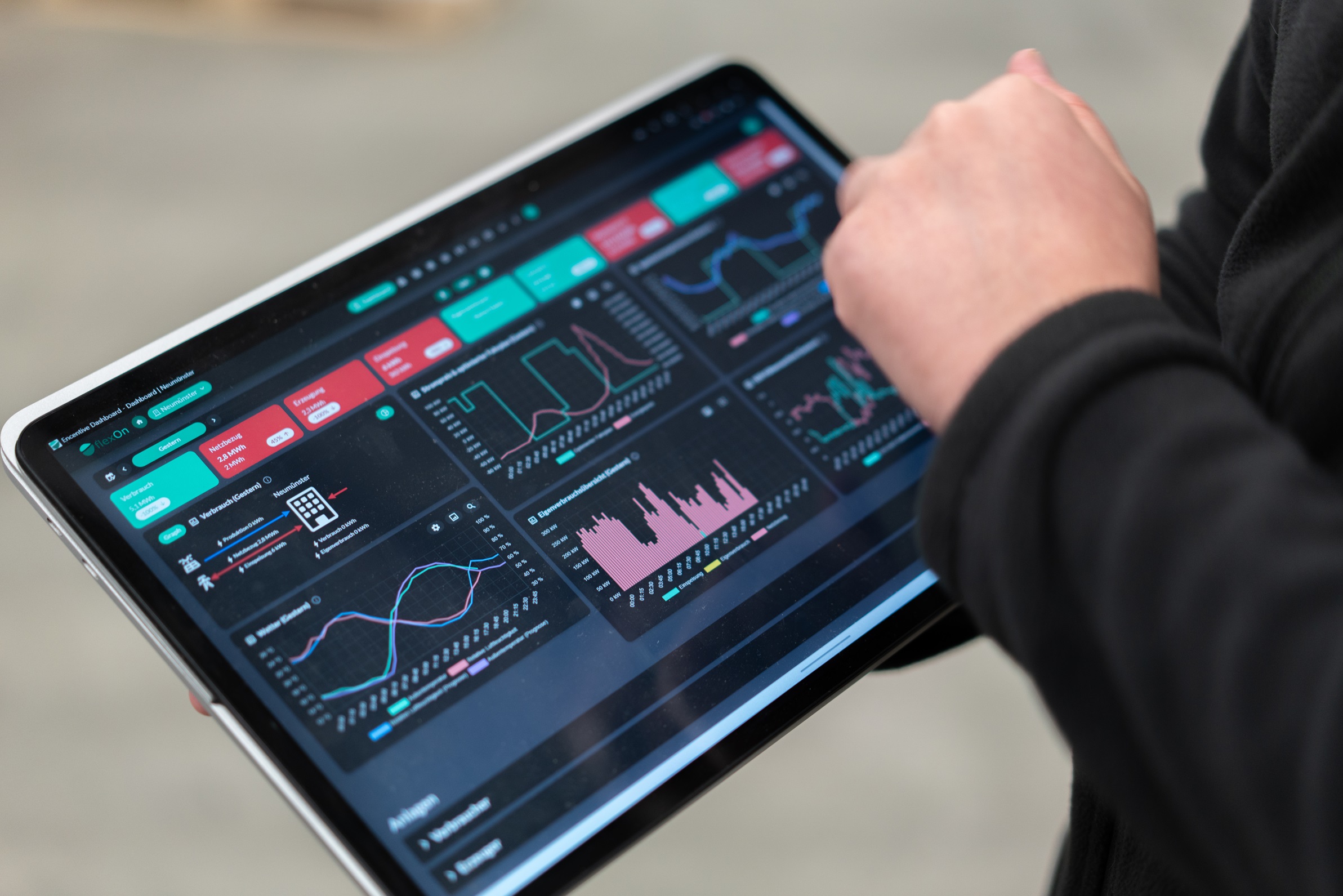
Why it pays to flexibilize your company's electricity consumption
Making electricity consumption more flexible is becoming increasingly important in industry. Companies are faced with the challenge of rising electricity prices, fluctuating energy generation and network utilization. Flexible electricity consumption can help to reduce costs and operate more sustainably. But what does that mean in practice?

The winners and losers of negative electricity prices
The recently adopted solar package in Germany has brought negative electricity prices back into the public eye. We explain how they arise, what problems are associated with them and how companies benefit from negative electricity prices.