Load shifting
What is dynamic load shifting?
Load shifting – often referred to as load management or demand-side management – is the flexible relocation of energy consumption to periods when electricity is cheaper, greener or more readily available. The goal is to reduce peak loads, lower energy costs and operate the energy system more efficiently overall. This enables companies to manage their energy flows more effectively and benefit from price signals as well as grid-related advantages.
When do we speak of dynamic load shifting?
Dynamic load shifting refers to situations where energy consumption is not managed according to fixed schedules, but is adjusted automatically and in real time to changing conditions. While traditional, static load shifting relies on predefined switching times, dynamic load shifting responds to factors such as electricity prices, grid load, weather data, on-site generation or asset conditions. This is enabled by smart energy management systems that continuously analyse consumption, generation and storage, and autonomously optimise loads.
Typical examples include operating machinery at shifted times, charging battery storage systems or controlling heat pumps and charging infrastructure based on external signals.
Why is dynamic load shifting important?
With rising energy costs, volatile electricity markets and the increasing integration of renewable energy, the need for flexibility is growing. Companies benefit from dynamic load shifting because they can:
- Avoid peak loads and reduce grid and capacity-related charges
- Take advantage of low electricity prices, for example on the day-ahead or intraday market
- Increase self-consumption of PV systems by operating flexible assets when sufficient solar power is available
- Use battery storage more effectively to store or provide energy
- Act in a grid-supporting manner, enabling potential additional revenues from flexibility markets in the future
How does load shifting work?
At its core, dynamic load shifting is based on three steps:
- Measurement and analysis of energy flows
Energy management systems record consumption, generation and relevant asset parameters in real time. - Interpretation of data and signals
The systems assess spot market prices, weather data, generation forecasts, load profiles and technical constraints. - Intelligent control
Flexible consumers, storage systems or assets are automatically controlled so that consumption processes are optimally distributed. Modern systems use AI-based energy optimisation to continuously make the best decisions.
What are the advantages of load shifting for companies?
- Reduced energy costs by avoiding expensive peak loads
- Optimised self-consumption of PV or CHP systems
- Better utilisation of battery storage for more efficient operating strategies
- Higher energy efficiency through demand-based asset control and overall efficiency optimisation
- Future-proofing in relation to electrification, e-mobility and flexibility markets
Dynamic load shifting is a key component of modern, flexible energy systems. Companies that manage their energy consumption proactively and adapt it automatically not only reduce costs but also lay the foundation for an efficient, resilient and climate-friendly energy supply. Further insights into the role of demand-side flexibility in modern energy systems are provided by the International Energy Agency (IEA).

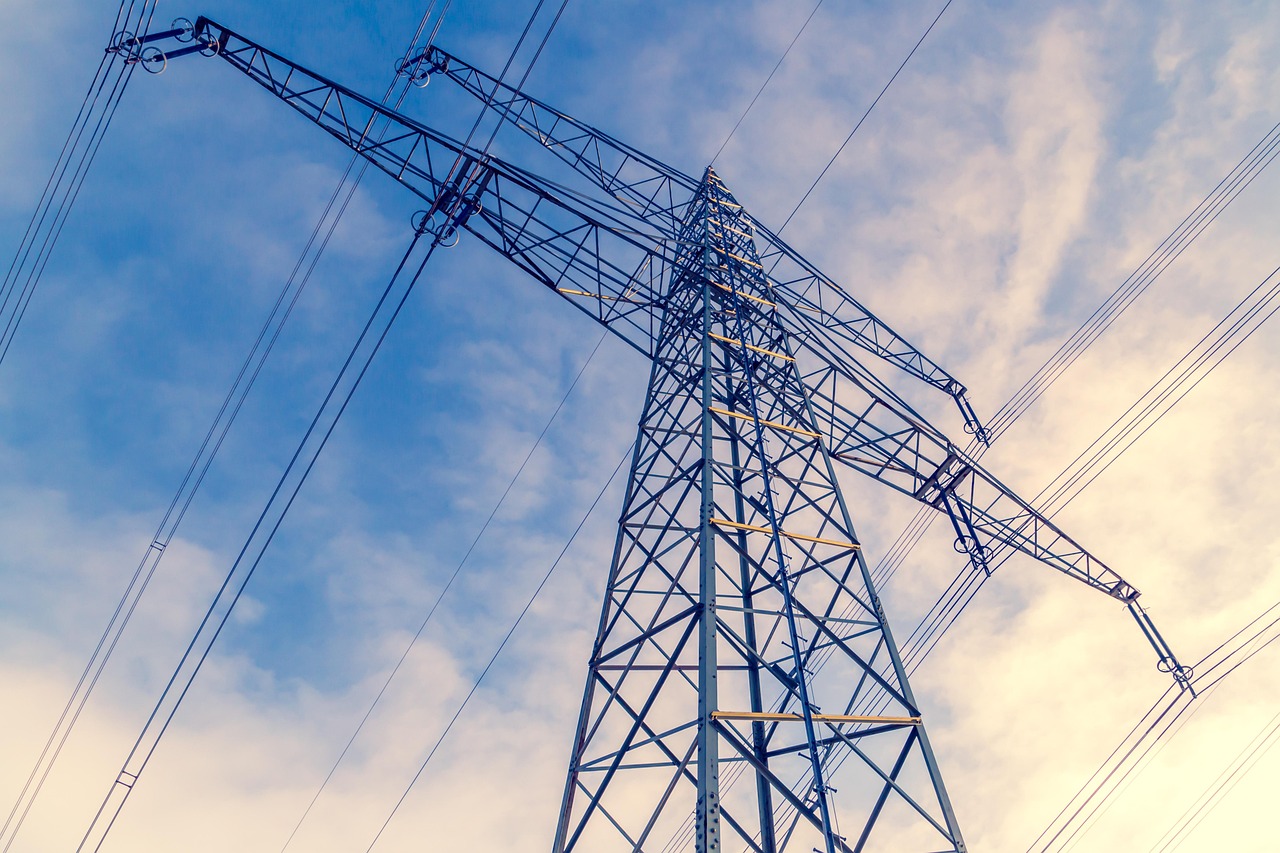
Record figure: 280 hours of negative electricity prices
Rising price fluctuations are a reality and will continue to increase. For industrial companies, they open up opportunities: those who react flexibly reduce costs and gain a competitive advantage.
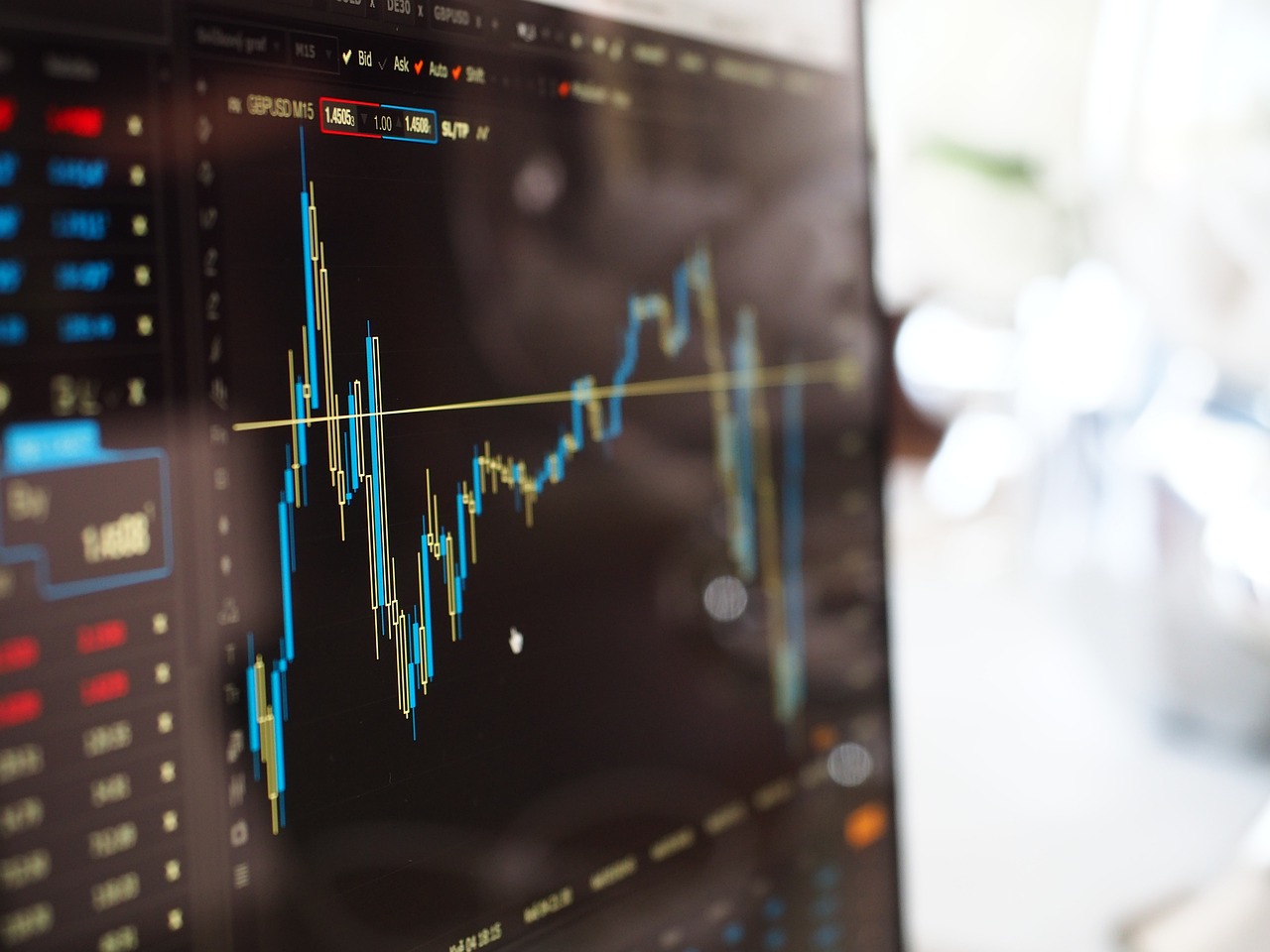
Why companies rely on energy management
There are many reasons why companies are looking for innovative energy management. Based on the experiences and feedback from our customers, we have summarised the three biggest challenges.

BAFA Module 3 subsidy: Everything you need to know
BAFA Module 3 offers companies an attractive opportunity to receive financial support for energy-efficient measures. In this article, we answer the most important questions about BAFA funding so that you can make the most of funding opportunities.