Insights around energy management
Industrial Electricity Price and AgNes: Why Flexibility is Now the New Gold
The energy transition is fundamentally transforming the German electricity market. The 2026 industrial electricity price and the AgNes grid fee reform, set to take effect in 2029, represent two key regulatory developments designed to ease the burden on energy-intensive companies while simultaneously steering them toward greater flexibility.

All posts

The most important facts about energy efficiency for companies
The importance of energy efficiency for companies is constantly growing. Both environmental responsibility and cost savings have a decisive impact on their competitiveness. In this article, we take a closer look at the most important facts about energy efficiency and show how companies can improve it.

Saving energy in companies made easy
Saving energy is becoming increasingly important for companies – not only for ecological reasons, but also for economic reasons. In this blog article, we will show you why it is worthwhile to reduce energy consumption, what measures you can take and how an energy management system can help.
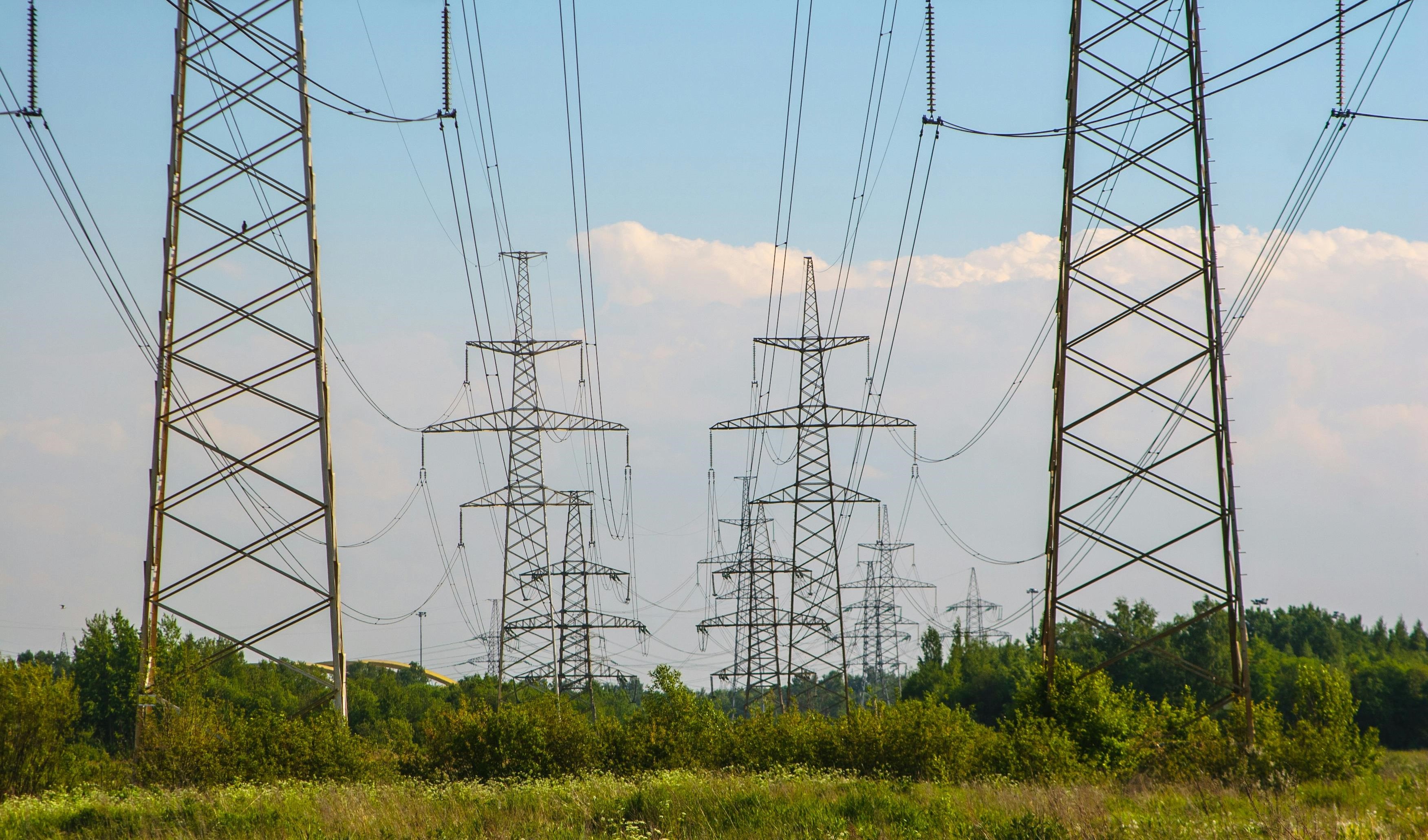
Power grid in Oranienburg overloaded: A proposed solution
Last week, various media reported on the electricity shortage in Oranienburg, the causes and the reaction of energy suppliers. Since such cases could occur more frequently in the future, we will look at possible solutions in the following article.
Why companies rely on energy management
There are many reasons why companies are looking for innovative energy management. Based on the experiences and feedback from our customers, we have summarised the three biggest challenges.

The new flexible grid charges for industrial customers
The German Federal Grid Agency is planning to adjust the regulations for individual grid charges for industrial customers. As a result of the energy transition, the framework conditions of the energy system are currently changing. The new regulations, which were set out in the recently published key point paper on Section 19 (2), should take this into account.

The winners and losers of negative electricity prices
The recently adopted solar package in Germany has brought negative electricity prices back into the public eye. We explain how they arise, what problems are associated with them and how companies benefit from negative electricity prices.